
GCSEs by stealth: the holidays that (genuinely) help their grades
By Tom Barber
Founder of Original Travel
With four teenagers currently moving through the GCSE and A Level years in our household, we have become mildly obsessed with the idea of the ‘incremental gain’.
Not in a hot-housing sense. More in the way that any decent sports coach knows that small, cumulative advantages often show up where it matters – in the final scoreline. Because one thing becomes very clear very quickly when you have children doing GCSEs and A Levels across AQA, Edexcel and OCR: the exams are not just testing what they know, but how confidently they can apply it.
The difference between a six and an eight is often depth of understanding, contextual awareness and the ability to deploy a case study that feels properly anchored in the real world. Travel, done lightly and without turning a holiday into a school trip, can embed exactly that.
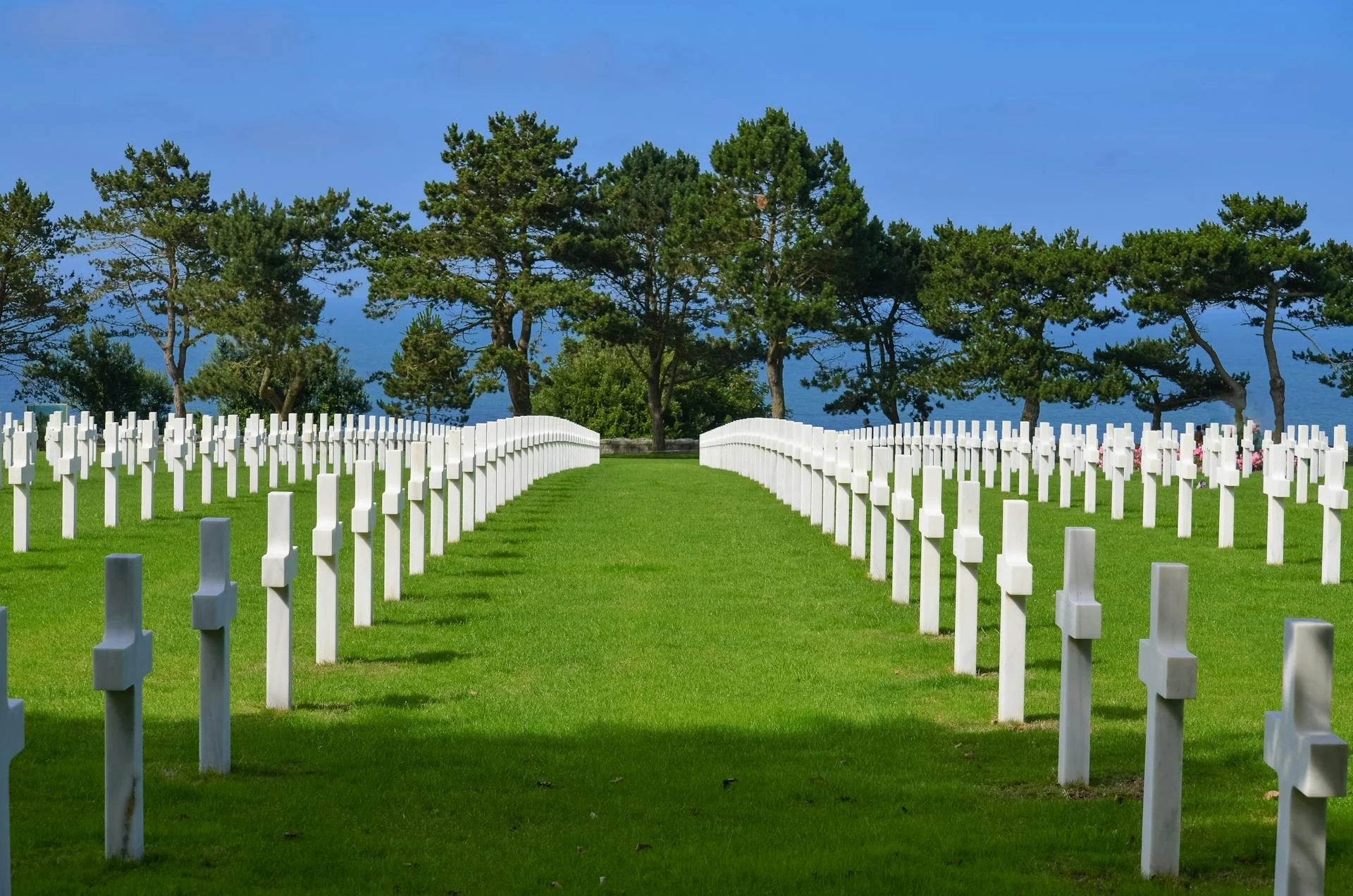
Omaha Beach War Cemetery in Normandie, France
History
Most GCSE specifications cover some combination of Medicine Through Time, Weimar and Nazi Germany, the Cold War and a British depth study. Normandy is exceptional for the World War themes that appear across boards. Walking Omaha Beach or Pegasus Bridge creates a mental geography that quietly supports later essay writing around strategy, logistics and turning points. Berlin does double duty for both Weimar and Nazi Germany as well as Cold War history. Seeing Checkpoint Charlie, the remnants of the Wall or the Stasi Museum helps pupils move beyond textbook narrative into lived experience. Washington DC, meanwhile, works brilliantly for American options, from westward expansion through to Cold War geopolitics. Later on, when faced with an eight- or twelve-mark question on significance or consequence, that contextual recall can make the difference.
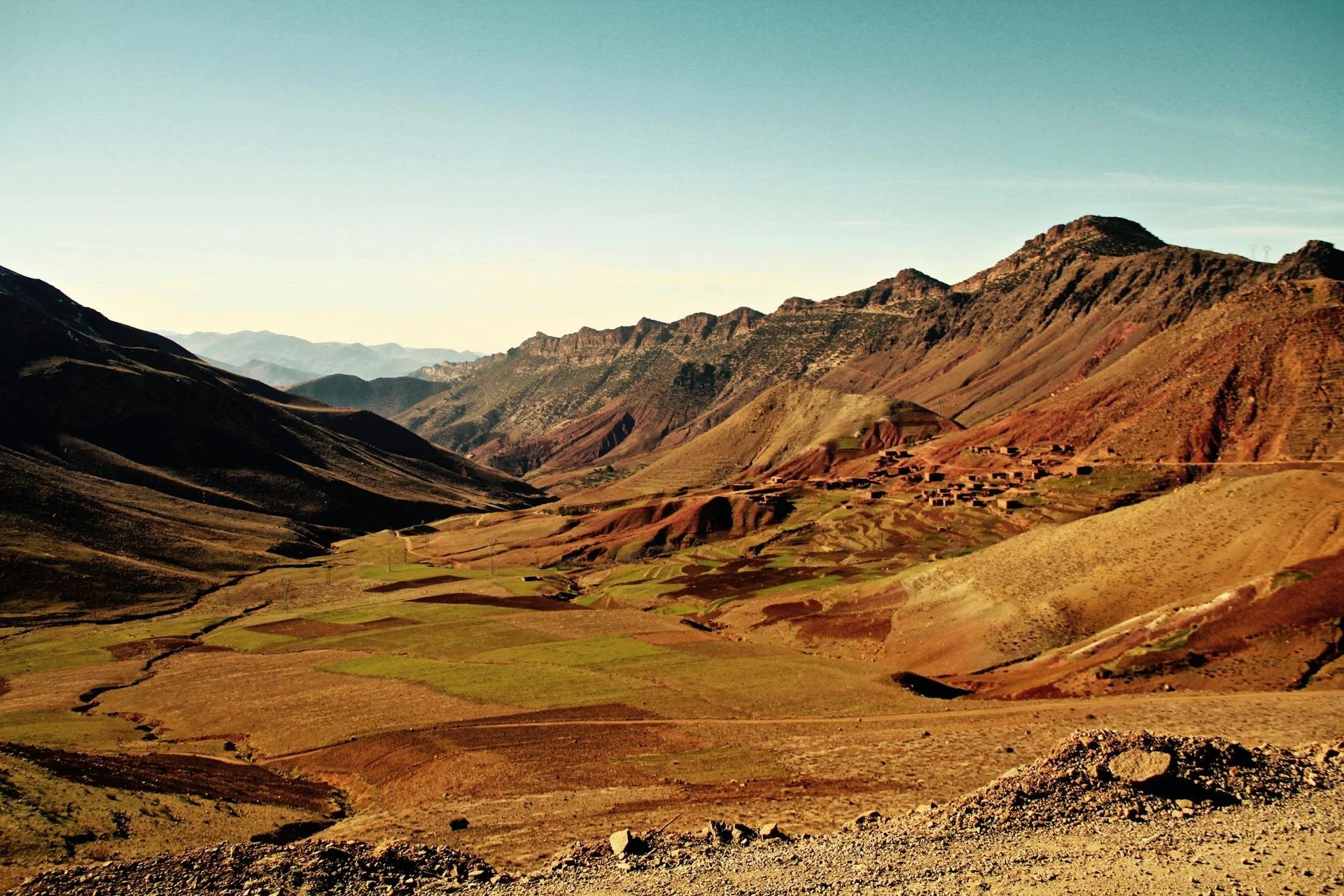
Ouled Yaaakoub in Morocco
Geography
GCSE Geography spans physical processes, urban issues and development. Iceland is a near perfect live classroom for tectonic activity and glaciation. Standing in the rift between the North American and Eurasian plates at Thingvellir turns tectonics from a diagram into something tangible. Morocco works for development gap studies in a way no classroom simulation can match. The contrast between rural Atlas communities and Marrakech’s urban economy supports understanding of inequality and development indicators. New York or Tokyo bring urban geography alive, from land use models to megacity challenges such as congestion, waste management and housing. When the inevitable named case study appears in the exam, recall becomes far easier.
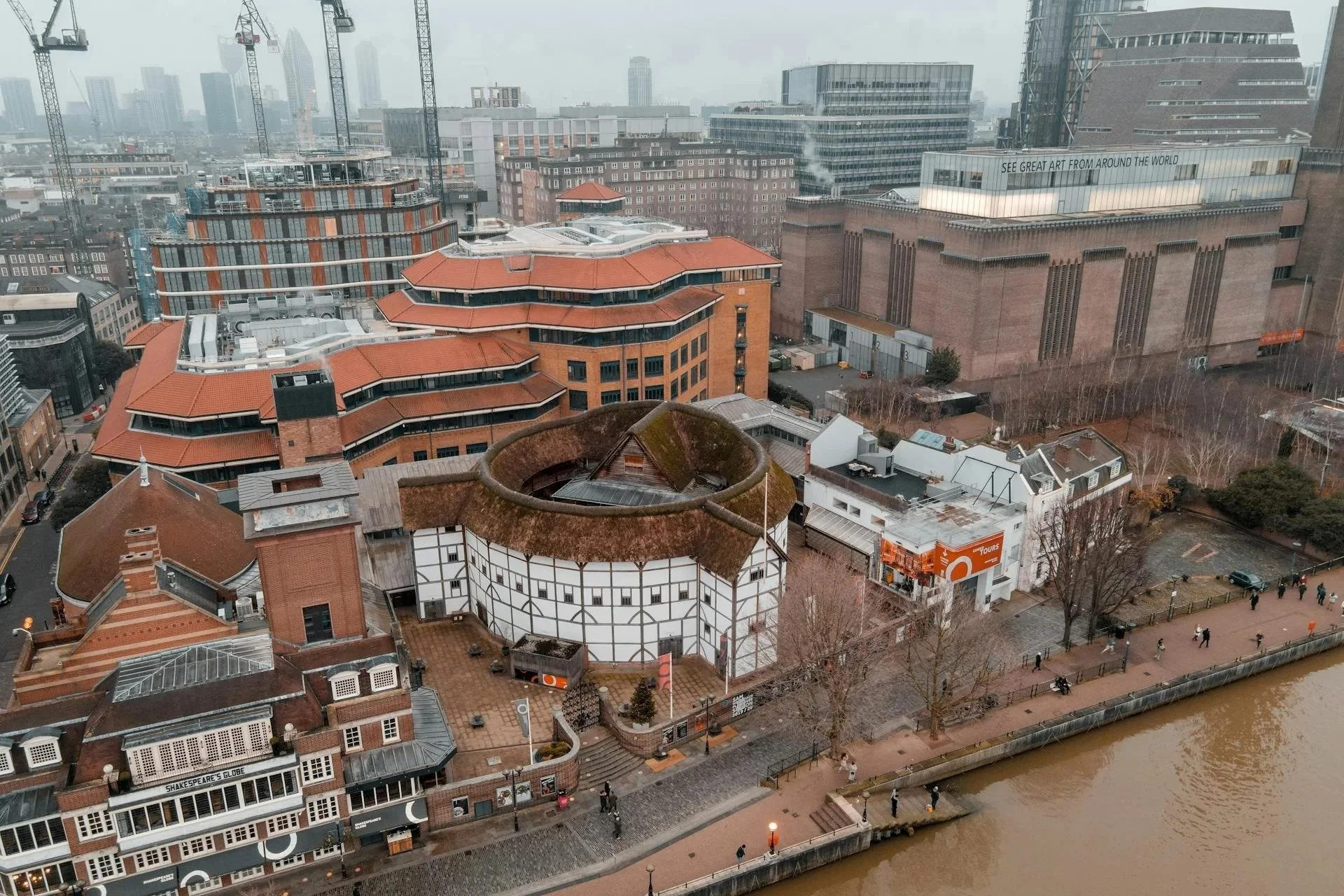
The Globe Theatre in London
English Literature
English Literature often feels less obviously travel-friendly but in reality benefits enormously from context. Shakespeare, Dickens and the war poets are near constants across AQA and Edexcel. London offers Dickensian walking tours and performances at the Globe, helping pupils understand social context in novels such as A Christmas Carol. Stratford-upon-Avon does the same for Shakespeare, particularly when considering staging, audience and Elizabethan society. And then there is the Somme or Ypres. Wilfred Owen and Siegfried Sassoon read very differently once pupils have stood at Thiepval memorial or attended the Last Post at the Menin Gate. Analysis of tone and imagery tends to sharpen noticeably.
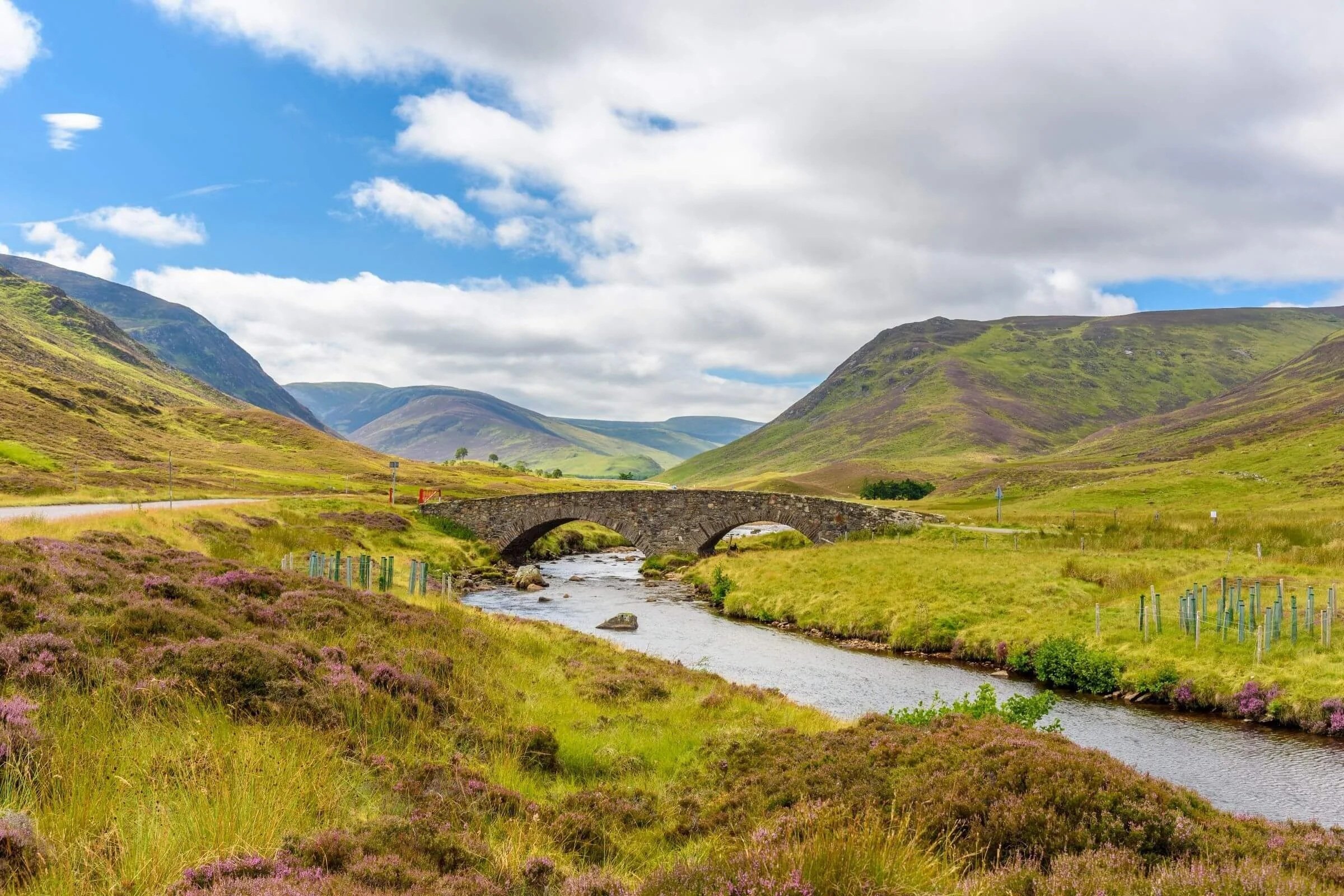
Cairngorms, Highlands of Scotland
Biology / Combined Science
Biology and Combined Science specifications are underpinned by ecosystems, biodiversity and evolution. As the destination most associated with Darwin’s understanding of evolution, the Galapagos remain the gold standard for natural selection and adaptation. Costa Rica works brilliantly for rainforest ecosystems and food webs, and closer to home, the Cairngorms offer a more accessible ecosystems field study closer to home, supporting understanding of biomes, conservation and human impact. All of which feed directly into six-mark questions on sustainability and biodiversity loss.
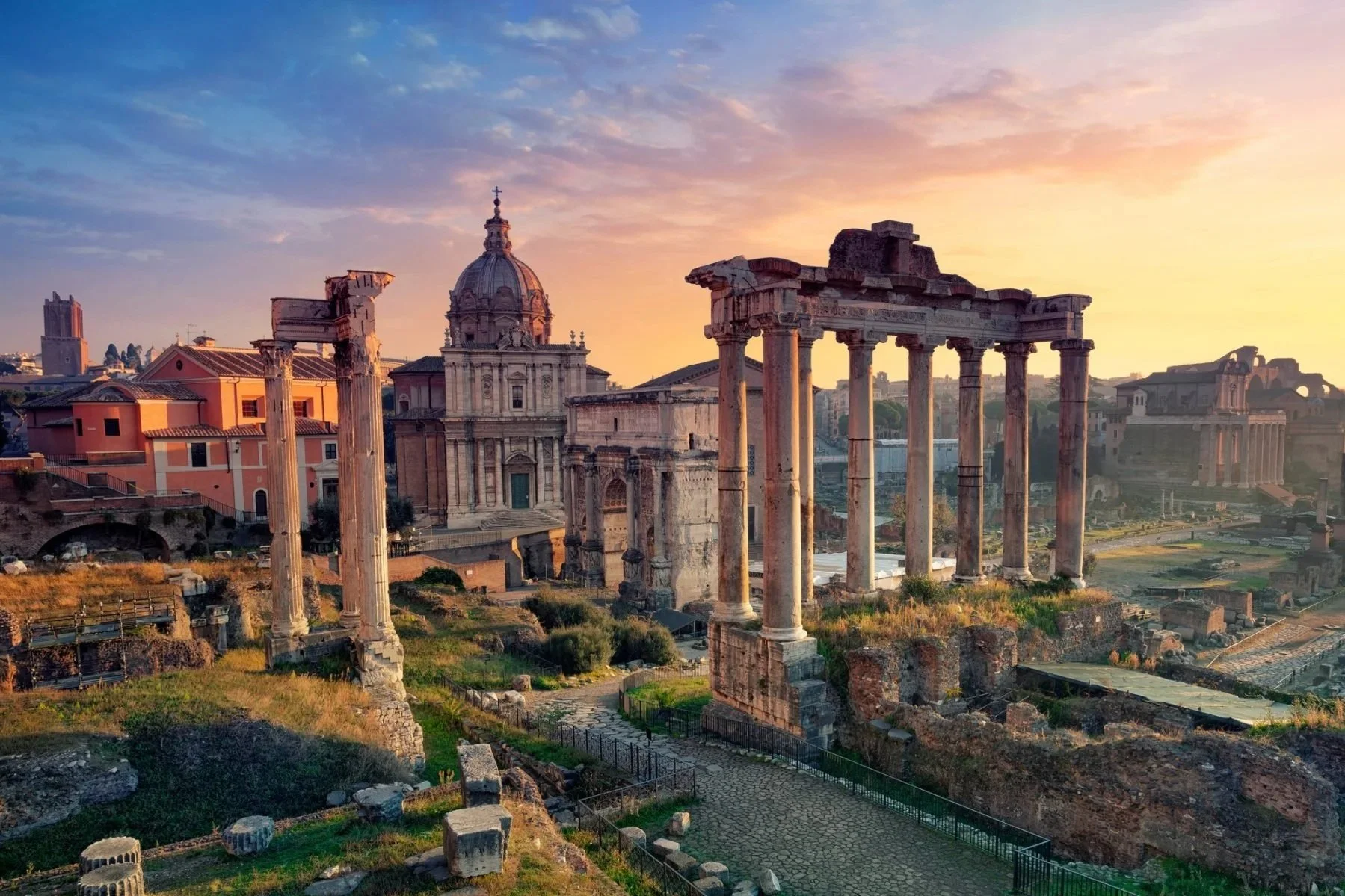
The Roman Forum in Rome
Classical Civilisation / Ancient History
Classical Civilisation and Ancient History students are fortunate in that their subject is almost purpose-built for this sort of learning. Athens, Delphi, Olympia and Mycenae cover mythology, democracy and the Persian Wars directly. Standing on The Pnyx, the hillside where Athenian citizens cast their democratic votes, with my children was a genuinely moving moment. Meanwhile, Rome and Pompeii bring Roman civilisation into sharp focus. Ephesus and Troy link neatly with Homer and Bronze Age studies. Source analysis becomes far less abstract when pupils have seen the sites themselves.
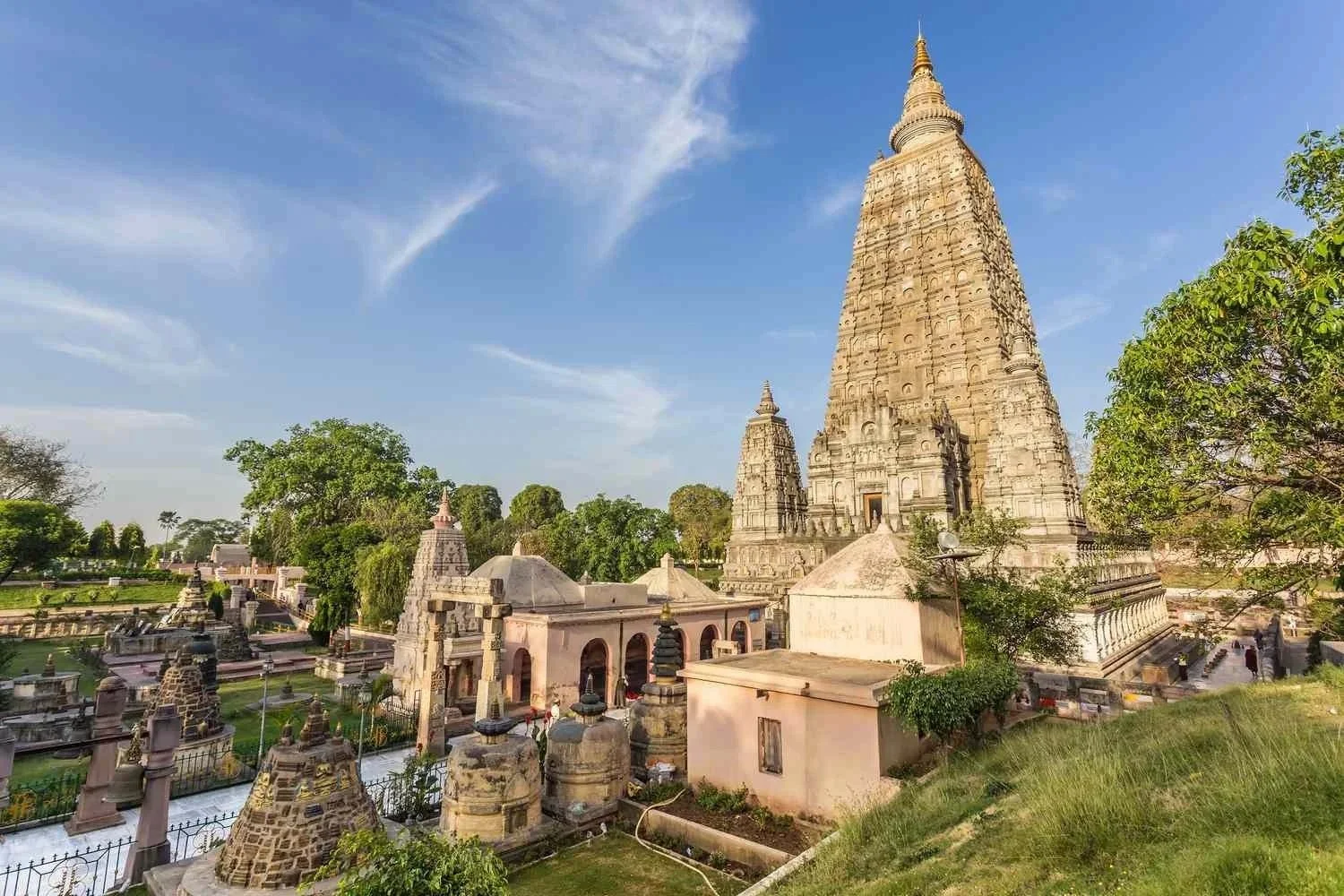
Bihar's Mahabodhi Temple in Bodhgaya
Religious Studies
Religious Studies, too, becomes more intelligible when taken out of the textbook. Themes of belief, ethics and religion in society are easier to grasp in Jerusalem or Varanasi than in a classroom. Rome works for Catholic Christianity. India for Hinduism and Buddhism. Evaluation questions tend to benefit from lived context, particularly when discussing practice rather than doctrine.
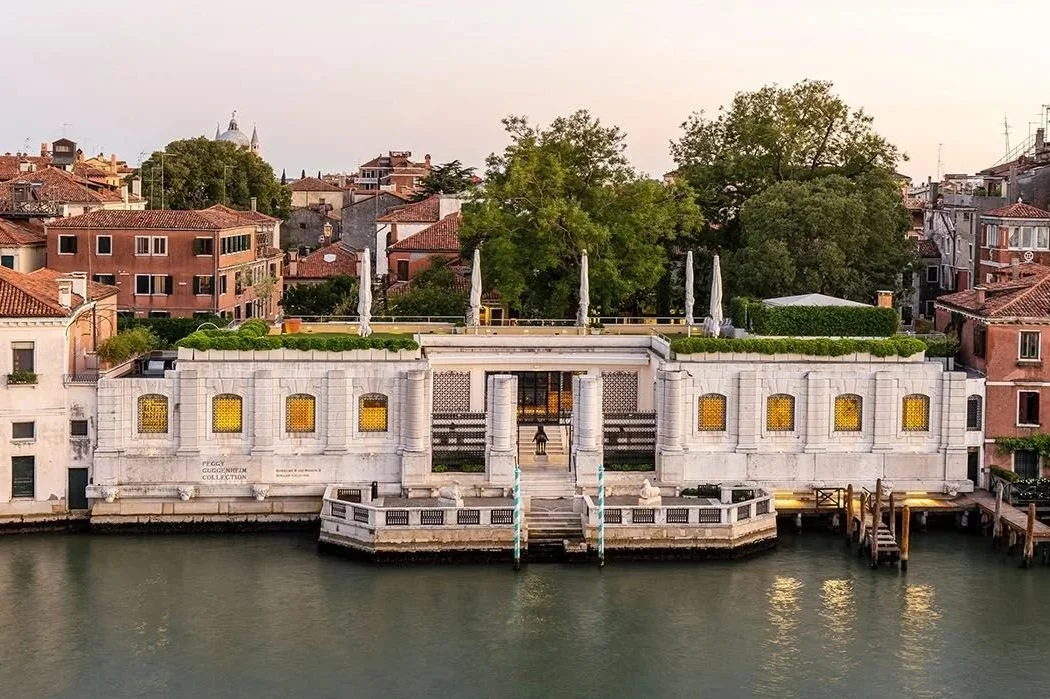
Peggy Guggenheim Collection, Venice
Art & Design
Art and Design students need contextual studies for coursework. Florence and Rome support Renaissance modules. Barcelona offers modern and contemporary movements. New York’s major galleries, and especially MOMA and The Guggenheim (where I went with my History of Art studying twins), cover twentieth century art history. Gallery visits often surface directly in portfolios.
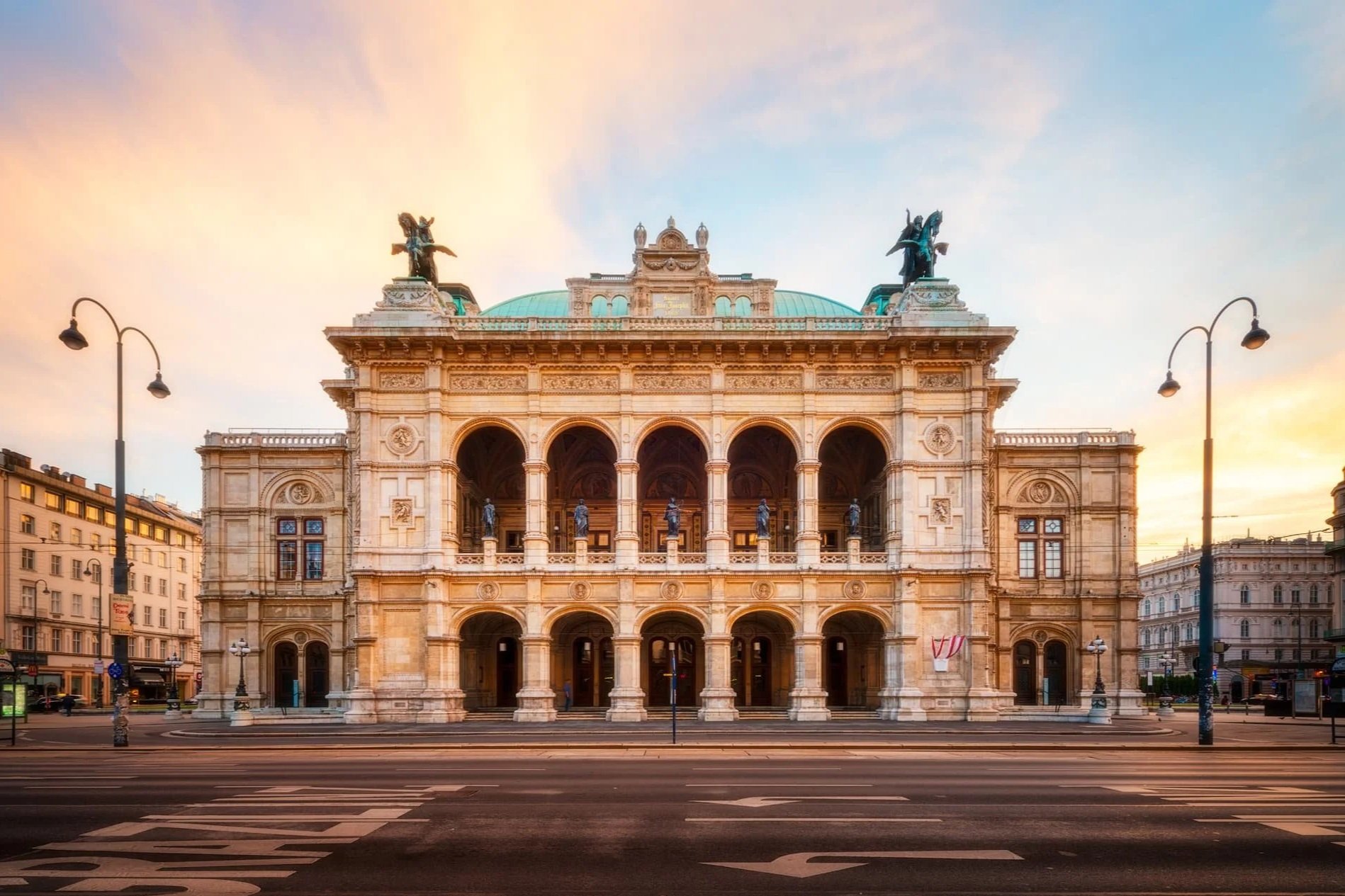
Vienna, Austria
Modern Foreign Languages
Immersion remains the most effective support for language learning. France for French, Spain or Latin America for Spanish, Berlin or Vienna for German. A home stay component tends to accelerate spoken confidence considerably and helps enormously with the role play and conversation elements of the exams.
None of these replaces revision, of course, but, with four teenagers in the system, we would very much like it if it did. Travel, and worldschooling can, however, provide the sort of subtle academic edge that lasts well beyond the holiday itself.